
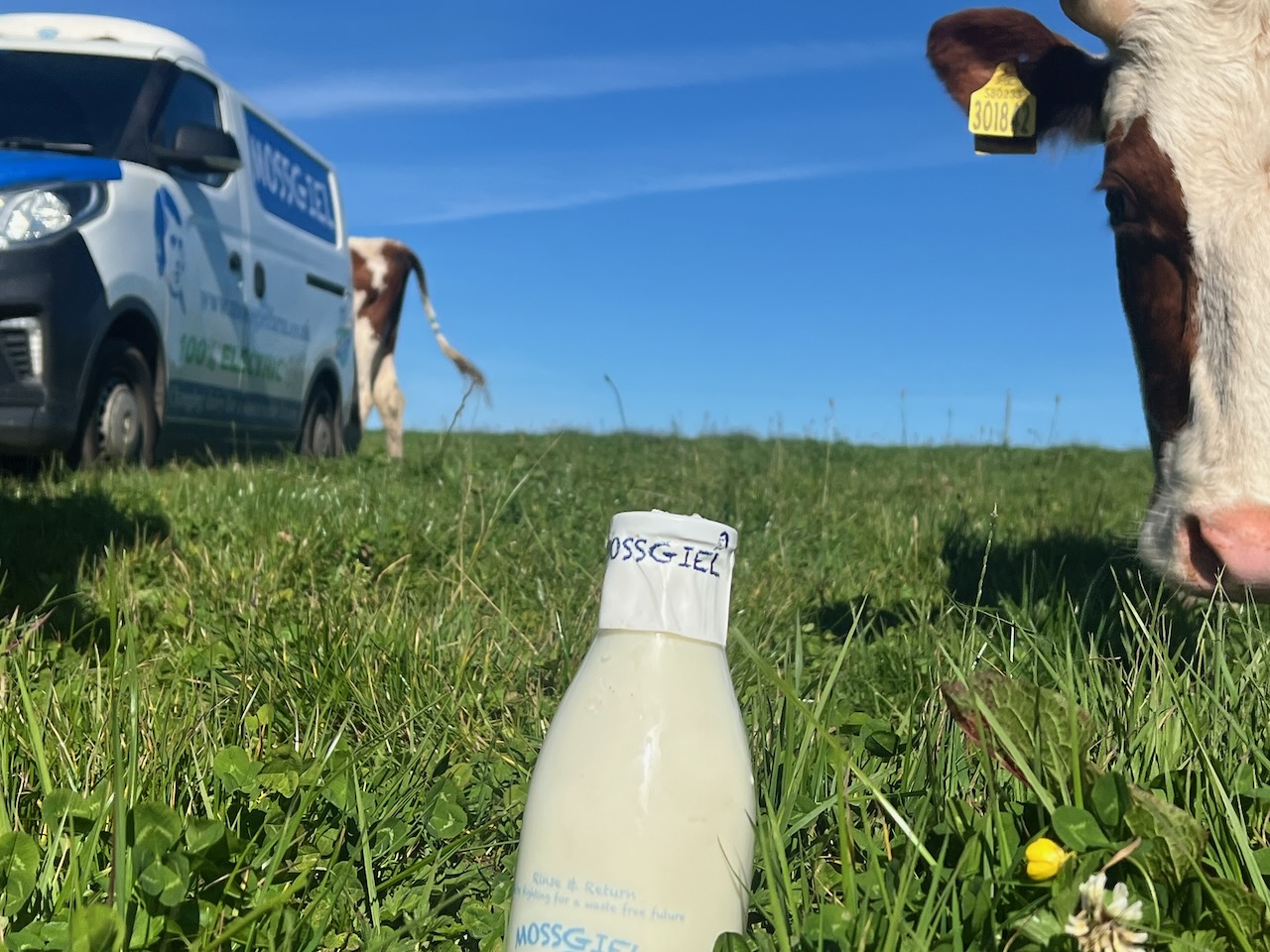
Milk with less waste and more thought.
Environmental impact is not one badge, one bottle or one clever machine. It is the land, the cows, the energy, the packaging and every mile in between.
We would rather show the work.
Farming has an impact. So does washing a bottle, heating water, moving milk and delivering it. Our job is to understand those impacts, make better choices and keep improving the bits we control.
Organic farming is the foundation.
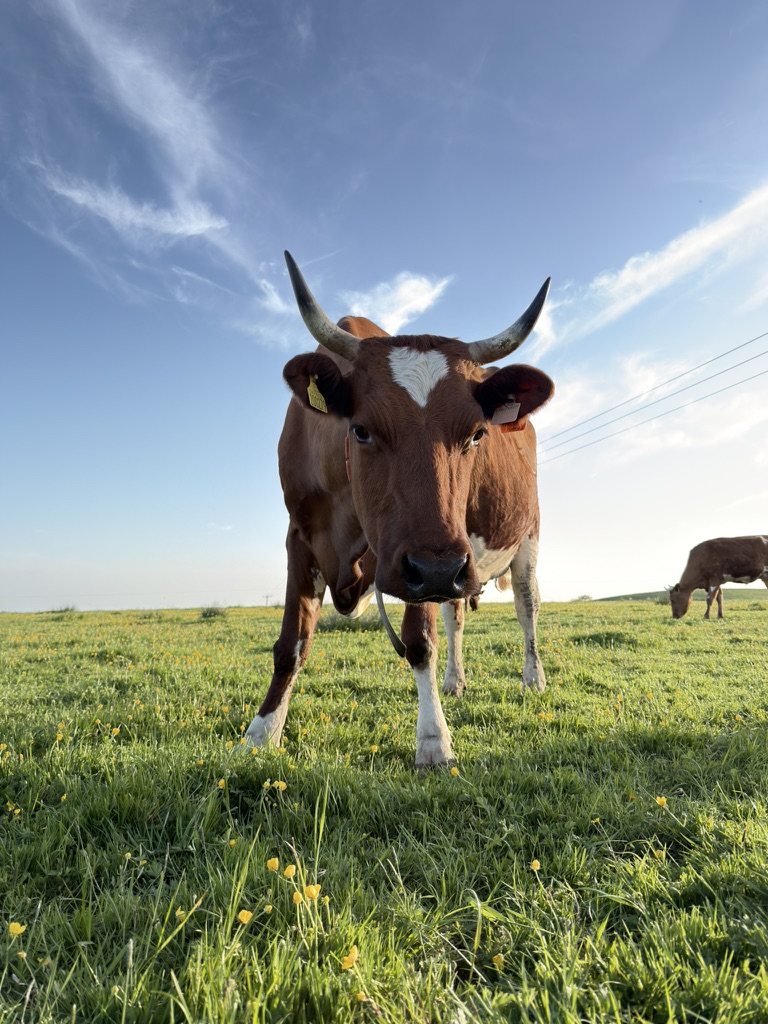
Farming without the shortcuts
Organic standards shape how the land is managed, what the cows eat and how the farms work with nature. It is not the whole answer, but it is the starting point for the milk we make.
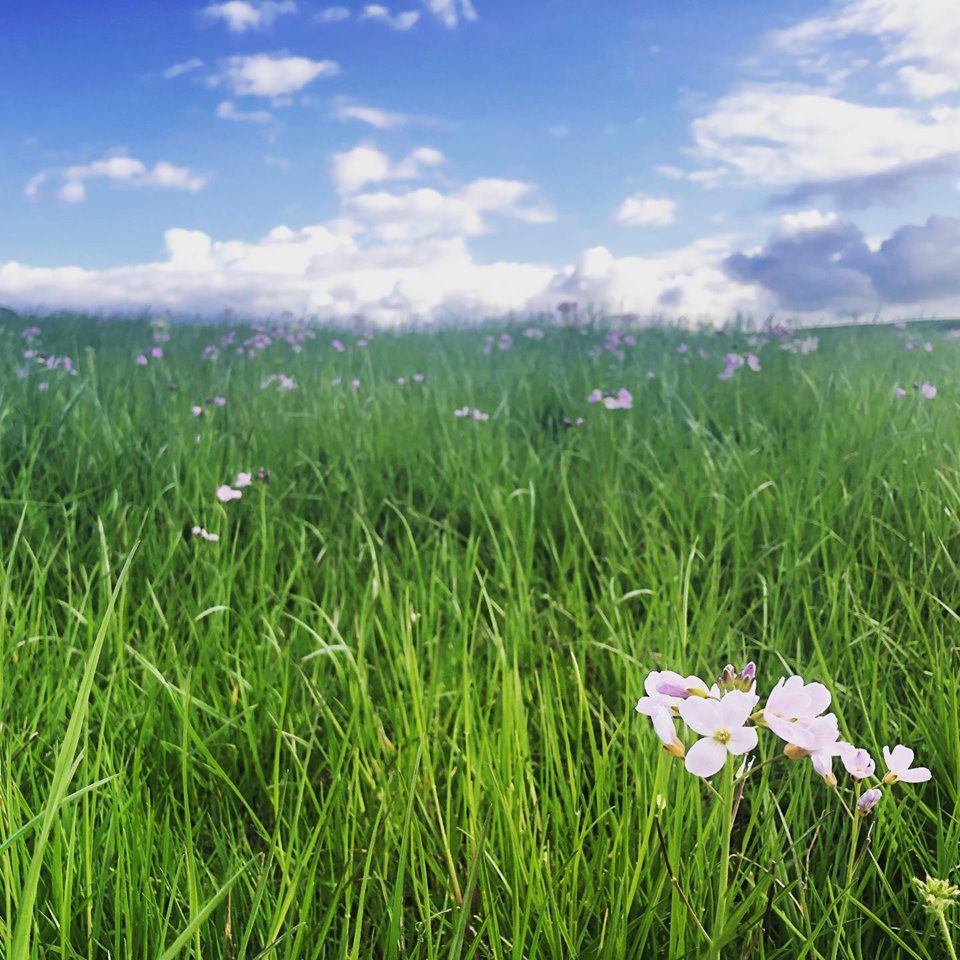
More than one kind of green
We plant herbal leys made from a mix of grasses, clovers and deep-rooting plants. Different roots use different parts of the soil, while the mix gives grazing cows a more varied pasture and helps the land cope with changing weather.
Packaging only works when it comes back.
We chose returnable glass because a Mossgiel bottle is not meant to be used once. It is meant to come home, be washed and head out again.
The same thinking runs through our larger formats. Reusable 5 litre containers help cafés and food businesses move more milk with less throwaway packaging.
The return journey is part of the product.

Glass versus plastic is not a one-line answer.
We worked with Heriot-Watt University on environmental studies and life-cycle assessment work around our packaging. That matters because the material is only one part of the story.
The work pushed us past the easy “glass good, plastic bad” argument. Reuse rates matter. Transport matters. Washing matters. A strong environmental system depends on the packaging coming back and staying in circulation.
Our rule: we will explain what the evidence says, including the trade-offs. We will not turn a complicated study into a shiny claim that the research cannot support.
Changing the machinery around the milk.
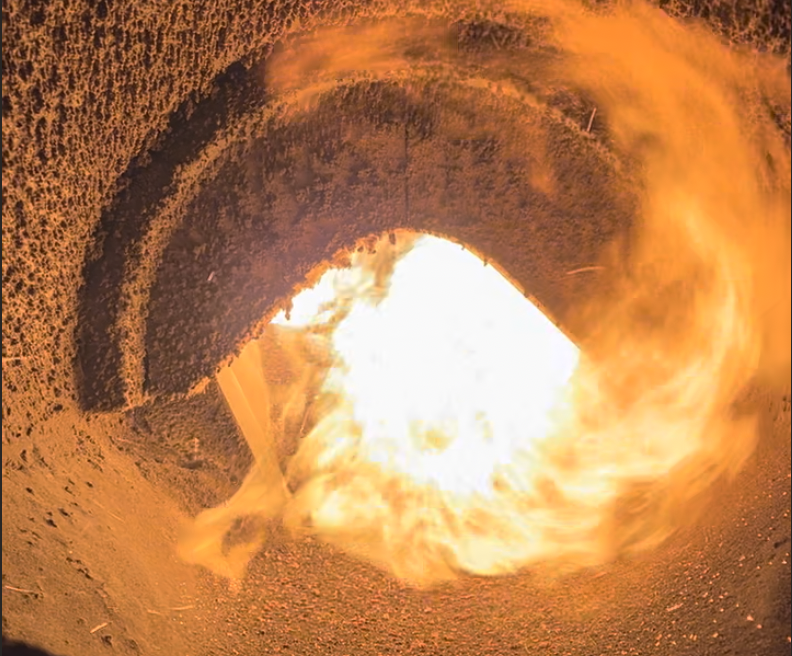
Biomass boiler
Milk processing uses a serious amount of heat. We need hot water for pasteurising, washing reusable glass bottles, cleaning the dairy and keeping the whole operation food-safe. Our Heizomat biomass boiler is rated at 400 kW and has a 1,580-litre water capacity. It sits at the heart of that system, turning renewable fuel into the serious, steady heat the dairy needs every day.
It is not a decorative green extra. If the boiler stops, a big chunk of the dairy stops with it. That is why biomass is one of the most important pieces of renewable technology at Mossgiel.
What it supports: pasteurising, bottle washing, hot-water cleaning and the day-to-day running of the dairy.
Use what works, then improve it
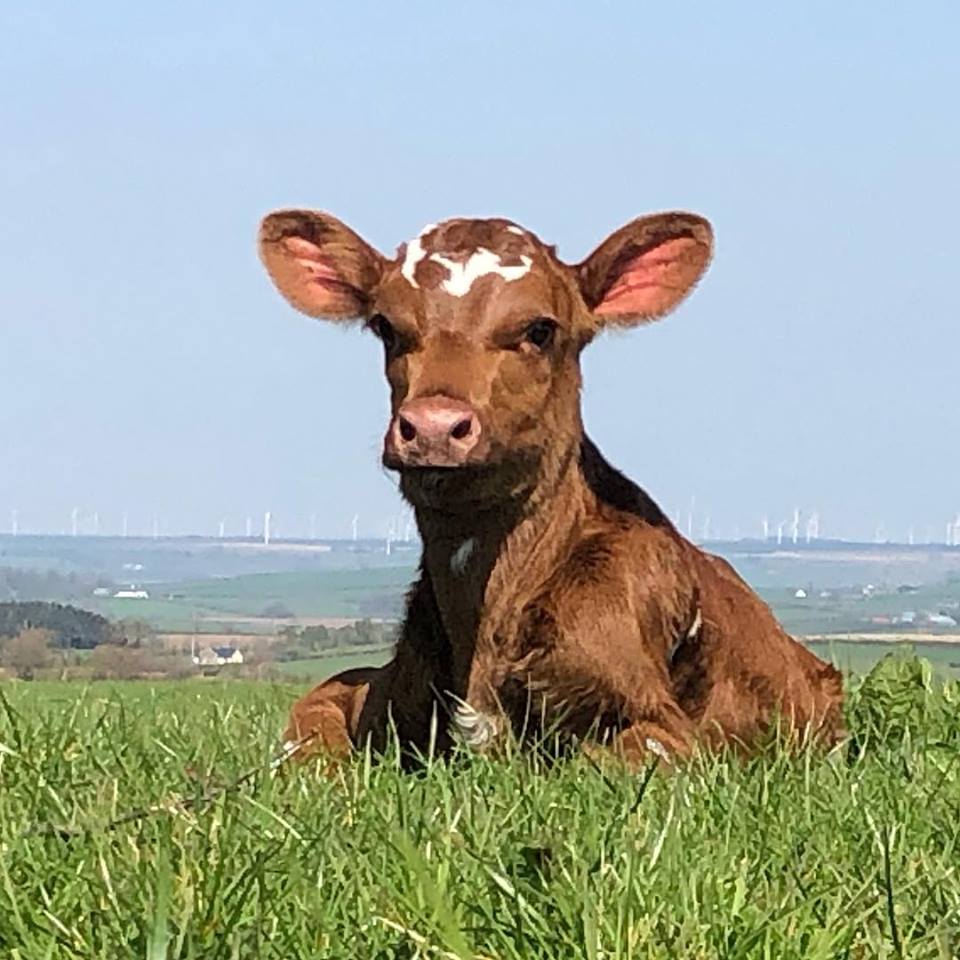
We are interested in technology that cuts impact without making the farm less resilient. That means judging every investment by what it actually changes, not by how impressive it sounds.
Cleaner miles where we can
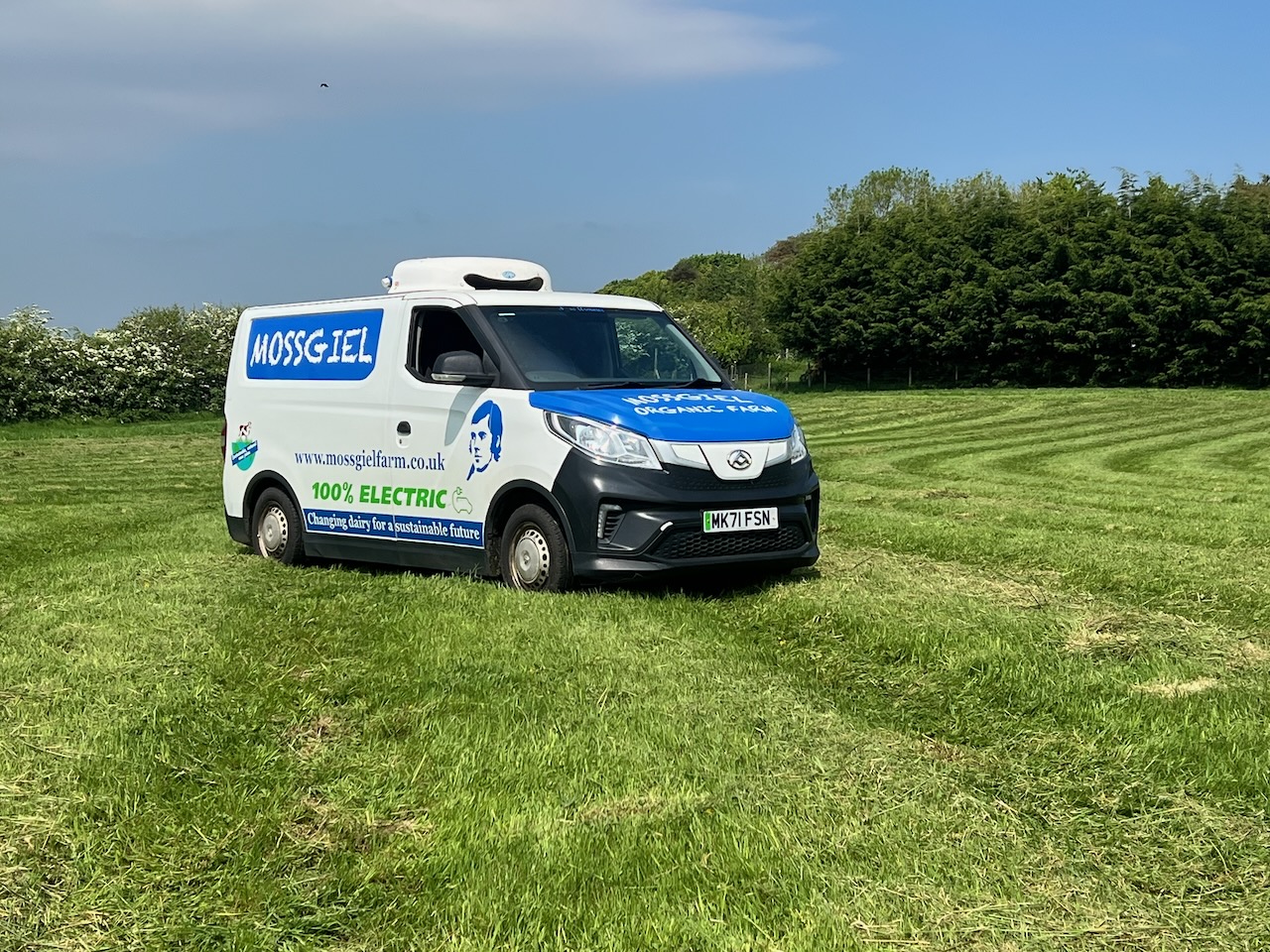
Electric vans are part of our delivery operation. They are not a magic eraser for transport, but they help us reduce the impact of the miles we need to travel while we keep working on efficient routes.
Upcycling IBC tanks
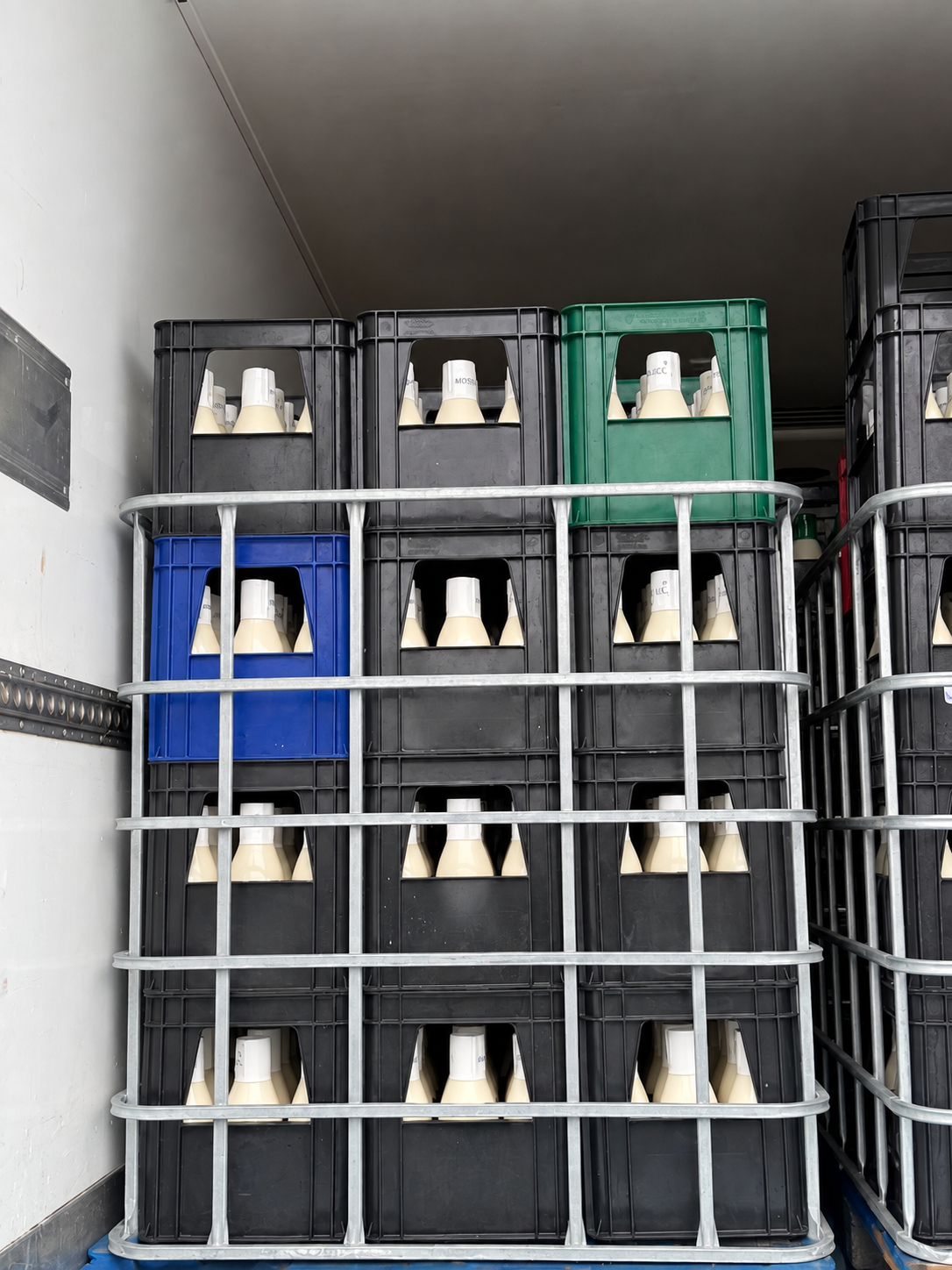
For secure bulk transport, we reuse suitable food-grade IBC tanks rather than treating large containers as disposable. It is a practical bit of circular thinking: make existing equipment work harder and keep it useful for longer.
Every return makes the next bottle possible.
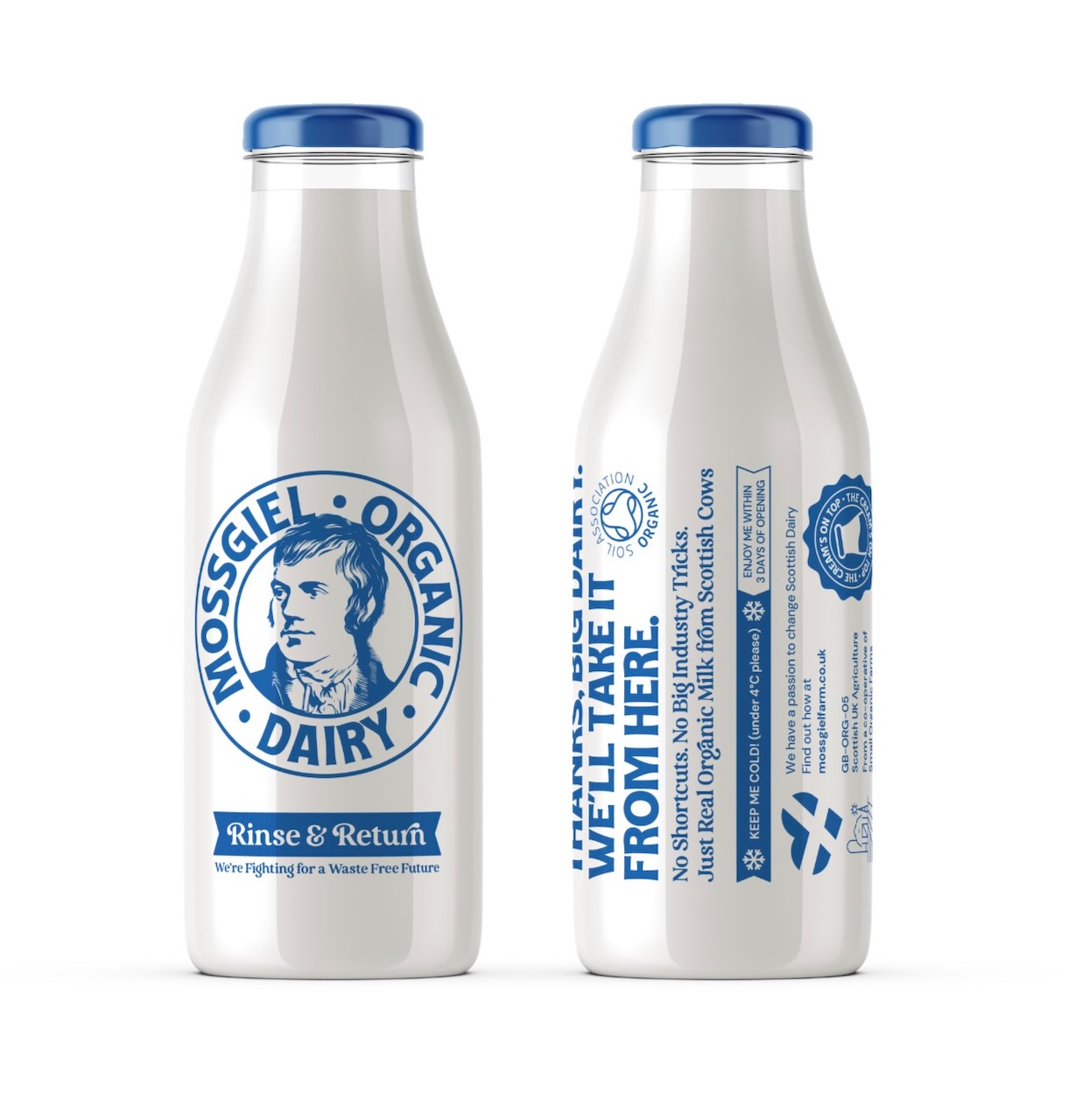
Reuse is not something Mossgiel can do alone. Bottles need to come back empty, rinsed and without their caps. Delivery partners, stockists, cafés and customers are all part of keeping the loop moving.
Environmental questions
What is Mossgiel doing to reduce its environmental impact?
We work across the whole system: organic farming, herbal leys, reusable packaging, renewable heat, electric delivery vehicles and reusable bulk transport. None of those changes stands alone.
Why use reusable glass bottles?
Because they are designed to come back, be washed and be used again. Their benefit depends on reuse, which is why returning the bottle matters as much as choosing it in the first place.
What did the Heriot-Watt work look at?
The environmental studies and life-cycle assessment work looked beyond packaging material alone. Reuse, washing, transport, weight, breakage and replacement all affect the answer.
What are herbal leys?
They are diverse pasture mixes that can include grasses, clovers and deeper-rooting plants. We plant them to give grazing cows a varied pasture and to support healthier, more resilient soils.
What does the biomass boiler do?
It is a 400 kW Heizomat boiler with a 1,580-litre water capacity. It supplies the heat and hot water needed for pasteurising, bottle washing, dairy cleaning and day-to-day processing. It is central to the operation, not a decorative green extra.
Are electric vans the complete answer?
No. They reduce part of the impact of delivery, but efficient routes and sensible transport choices still matter. There is no single fix.
How does Mossgiel move milk in bulk?
We reuse suitable food-grade IBC tanks for secure bulk transport. That keeps existing equipment useful and avoids unnecessary single-use packaging.
We are not finished.
The point is not to pretend milk has no footprint. The point is to understand it, reduce it and keep showing what changes in the real world.